Sudden cardiac arrest hardly ever takes place in a peaceful clinic with a medical group on call. It takes place on the edge of a football oval, close to a school play area, at a weekend community event. Individuals closest to the child or grownup in problem are typically not paramedics, however trains, educators, and volunteers.
That truth is why express CPR training and fast first aid courses exist. They are not shortcuts in the careless sense. When done effectively, they are concentrated, high-yield programs that provide busy individuals the skills to act decisively when seconds matter.
I have educated hundreds of instructors, club authorities, and volunteer parents. The exact same themes turn up every single time: limited time, competing top priorities, a little of anxiety about obtaining it incorrect, and an extremely strong sense of responsibility. This article is created with that lived mix of stress and commitment in mind.
Why quick CPR abilities matter in your role
If you monitor kids, run a group, or handle groups of individuals in your extra time, you currently bring risk, whether you speak about it or otherwise. Heart attack, severe asthma, anaphylaxis, choking, major blood loss, head injuries, heat illness, diabetic person emergencies, seizures; these incidents do not wait on rescue feedback times.
In heart attack, every minute without effective CPR and very early defibrillation can decrease survival by about 7 to 10 percent. In practice that implies the college or sports club that has actually people learnt CPR and fundamental first aid is often the difference in between a casualty and a survivor who leaves of hospital.
Formal first aid and CPR courses are very important, however the reality for lots of volunteers is severe: long courses are tough to attend, funding is limited, and rosters are full. Express first aid and express CPR training objective to bridge that gap by compressing necessary content into much shorter, more concentrated delivery.
What "express" CPR and first aid in fact means
The expression gets sprayed casually in advertising and marketing. In practice, a great express first aid course does not reduce edges on the essentials. Instead, it gets rid of nice-to-have content, long theoretical detours, and extended evaluation styles to ensure that active grownups can obtain first aid certificates or CPR certification in a couple of concentrated hours.
Here is what express cpr courses and fast first aid training normally alter compared with a full-day first aid course:
- shorter total duration, frequently 2 to 3 hours for express CPR and 3 to 5 hours for express first aid more pre-course online learning, to ensure that concept is covered at home and classroom time is utilized for hands-on practice tighter concentrate on the most likely and most significant emergency situations for your context, such as sporting activities injuries or child care incidents streamlined evaluation based upon scenario performance instead of lengthy paper tests
If you see "fast first aid course near me" in your search results, look meticulously at the description. Several respectable training organisations currently offer combined styles, where first aid training theory is finished online and the in-person element is express and really practical.
The key is that rate originates from far better layout, not from skipping important skills.
Core skills every coach, teacher, and volunteer should actually have
A great deal of individuals tell me "I simply want CPR training." After a few concerns, what they actually want is self-confidence that they can take care of the very first 5 to 10 minutes of any kind of significant case until help arrives.
For coaches, educators, and volunteers, a solid express first aid and CPR course ought to leave you able to:
- recognise cardiac arrest, begin top notch CPR, and make use of an AED confidently manage a choking child or adult, including the grey locations where the person is still mindful but struggling control severe blood loss with direct stress and straightforward improvised approaches if packages are limited respond to a subconscious however breathing person, consisting of risk-free positioning and ongoing monitoring identify and manage anaphylaxis and serious bronchial asthma utilizing typical college or club emergency situation kits
Beyond that core listing, your context issues. A jr rugby train take advantage of additional time on spinal safety measures, trauma, and cracks. A child care instructor requires depth in paediatric respiratory tract, febrile convulsions, and intake of poisonous substances. An occasion volunteer could need more emphasis on crowd incidents, warmth illness, and diabetic emergencies.
This is one location where express child care first aid courses can be really important. They take the typical first aid and CPR content, then deliberately turn it towards infants and kids: smaller sized respiratory tracts, different compression strategies, developing behaviours, and common childcare hazards.
A glance inside a sensible emergency
A story from a Saturday morning netball ground sticks with me. A 12 years of age collapsed during warm-up. No previous history that anyone knew of. Train believed at first it was a fainting episode. Two mins later on, still unresponsive, barely breathing.
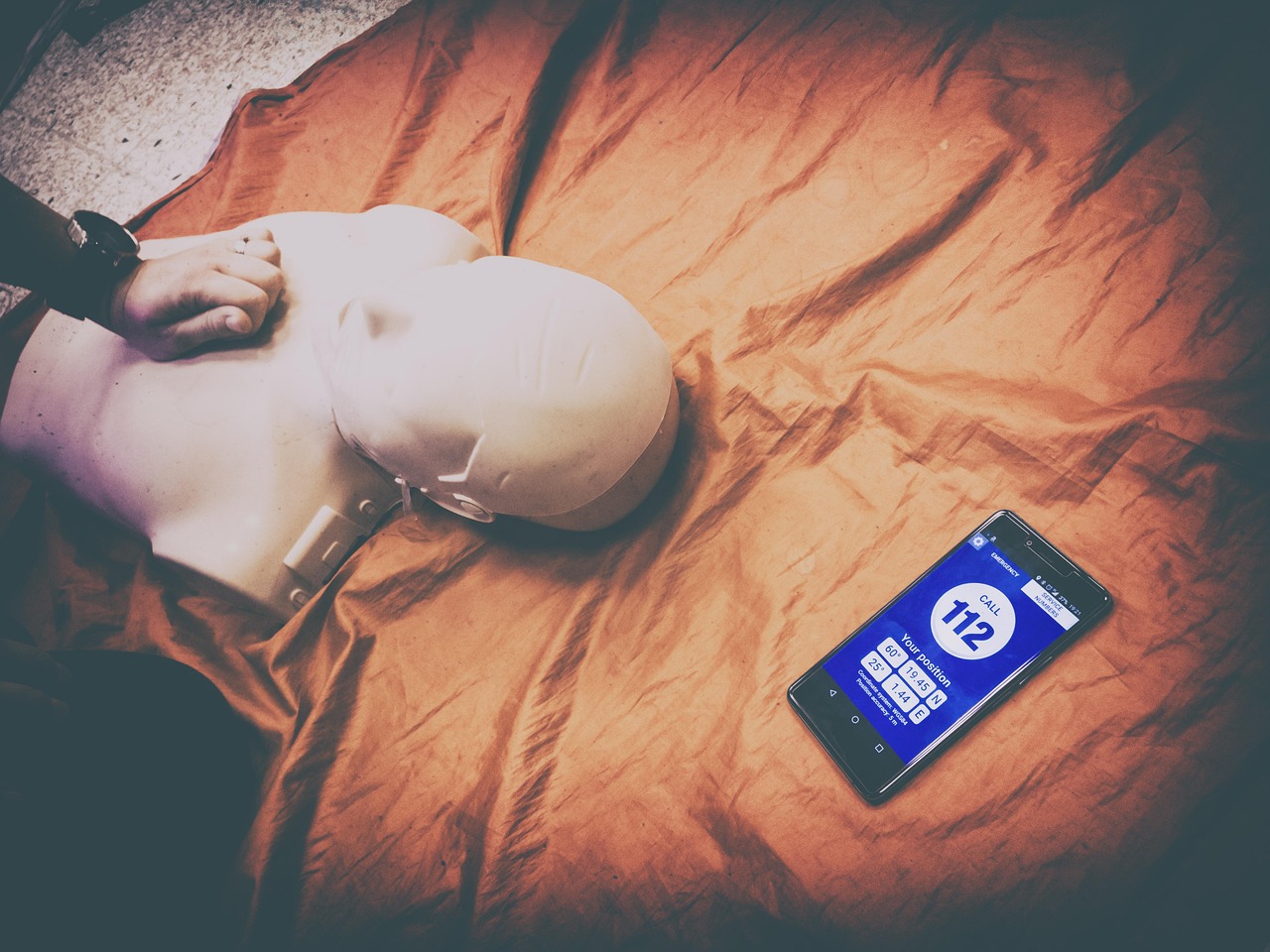
The trainer had actually finished a fast cpr correspondence course 3 months previously. She identified agonal breathing, called it as cardiac arrest, and began compressions. One more parent brought the club AED. They complied with the motivates, provided a shock, and proceeded CPR till rescue staffs arrived.
If you read the instance notes, you see medical terms and outcome summaries. What does disappoint is the truth that the trainer had said with herself regarding doing the course because it completed at 10 pm on a job night and she felt tired. She went anyway, did the fast cpr training, and when the moment came, her brain had someplace to go other than panic.
This is where express CPR training settles. It transforms unclear intention right into practiced habit, without requesting a complete time off work.
Balancing rate and top quality in fast first aid courses
There is a point where a course ends up being as well "fast" and high quality suffers. From an instructor's perspective, there are a few warnings:
If the schedule permits much less than about 90 mins of hands-on technique for first aid course Adelaide CPR and AED use consolidated, skill retention will be bad. Individuals might pass the evaluation but will not feel comfy in an actual emergency.
If the class dimension is too large relative to the number of manikins and instructors, learners end up viewing more than doing. In first aid and CPR training classes, everyone needs several complete cycles of compressions and breaths, not simply a token 30 seconds.

If the content seems like a rapid slide show of every possible condition with no time for scenario technique, you might leave with understanding yet without practical fluency. Fast first aid courses ought to tighten scope to core issues and drill those well, as opposed to skim everything.
On the other hand, there is such a thing as exceedingly lengthy training that tires students and weakens emphasis. I have actually seen 8 hour first aid courses where the last 2 hours include every person slogging with examinations while silently wishing the clock to run out.
The pleasant spot for lots of hectic grownups is combined shipment: online, self-paced lessons covering makeup, lawful duties, and low-risk subjects, adhered to by a concentrated functional session of 2 to 4 hours. This style appreciates adults' time while maintaining standards high.
What to anticipate in an express CPR or first aid session
If you book an express cpr course or express first aid training, it helps to know what you are signing up for. A properly designed session usually complies with a simple rhythm:
- brief review of your pre-course understanding and a chance to ask questions or make clear misconceptions demonstration of core skills by the trainer, then prompt technique by learners on manikins or training partners short, sensible circumstances that incorporate abilities, such as coming close to a collapsed person, inspecting reaction and breathing, calling for help, and starting CPR assessment woven into scenarios, so it feels like trouble addressing as opposed to a presented exam
Sessions for instructors and instructors typically include scenario components based on genuine environments: a congested sideline, an interior gym, a class, or a play area. The aim is to assist you psychologically rehearse what you would actually perform in your very own setting.
You should leave an excellent express cpr training session tired from physical practice, a little shocked at how requiring effective compressions are, and dramatically more confident than when you strolled in.
If you complete a fast first aid course sensation like you primarily enjoyed PowerPoint slides and barely touched a manikin, the course layout has actually missed the mark.
Choosing the right express course provider
Typing "fast first aid course near me" or "express cpr courses" into an internet search engine produces a woodland of alternatives. Some are exceptional, a couple of are marginal, and many being in the middle.
Here are practical factors I make use of when assisting a school or club pick a provider:
Accreditation and acknowledgment issue. In lots of areas, a recognised first aid certificate should originate from a registered training organisation or an equal body. If you require your certification to fulfill workplace or regulatory needs, check that the carrier checklists device codes or official course identifiers, not simply marketing language.
Look at class dimension and devices. An appropriate ratio is frequently one manikin for every single two students for CPR practice. If a company attempts to press 25 individuals right into a 2 hour express cpr course with 3 manikins, ability practice will suffer.
Ask just how the material is customized. A great carrier will certainly have variations such as express childcare first aid courses, sports-focused first aid training, or workplace-specific programs. A "one size fits all" lecture is not as effective.
Check recency and upgrade practices. Standards for first aid and CPR progress. Service providers that point out present resuscitation council guidelines and regular course updates are more probable to teach as much as day methods.
Finally, consider logistics. On-site express first aid training at your school, club, or recreation center often functions much better than sending people off to public courses. People feel much more relaxed in acquainted environments, and situations can use real devices and spaces.
Special focus: express child care very first aid
Childcare and very early understanding settings have a particular risk profile. More youthful children can not define their signs and symptoms well. They discover by placing items into their mouths. They have smaller air passages and various physiology. Staff juggle task of take care of several youngsters at once.
An express childcare first aid course needs to recognize that reality. The core abilities coincide first aid and CPR principles, but adapted.

Paediatric CPR technique is different: smaller sized hands, various compression deepness, mild head tilt. Choking monitoring in infants and toddlers makes use of meticulously controlled back blows and breast thrusts, not simply scaled-down adult methods.
Allergic reactions and anaphylaxis are much more common in this age group. Educators needs to recognize how to acknowledge very early indications, make use of EpiPens or similar devices, and take care of the disorderly few minutes while awaiting a rescue and guaranteeing other children.
Head injuries from falls, febrile convulsions, consumption of non-food things, and playground cracks all include much more greatly in express childcare first aid training than in a generic first aid course.
Importantly, a fast first aid course in a childcare atmosphere need to deal with interaction with parents and documents. After a serious incident, your composed record, calm description, and evidence that personnel hold existing first aid certifications typically come under scrutiny.
Express child care first aid courses work best when set up into regular staff training schedules, so brand-new teachers and alleviation staff are swept into the exact same criterion as irreversible employees.
Keeping skills fresh with fast CPR refresher courses
CPR is a physical skill. It decomposes over time, similar to any technique you do not practice. Research suggests that efficiency begins to drop within months if there is no refresh, even if your formal certificate stays legitimate for several years.
For that reason, I motivate institutions and clubs to deal with fast cpr refresher courses as an annual ritual rather than a management afterthought. Short, concentrated refresher courses that compete one to two hours and concentrate just on arrest acknowledgment, compressions, breaths, and AED usage can suit personnel conferences or preseason preparation evenings.
You do not require to duplicate a full first aid course annually. Instead, a cycle works well: complete first aid and CPR training in year one, express cpr training or refresher in year two, after that a combined first aid and CPR course in year 3 to reset expertise and certificates.
Between official courses, micro-practice helps retention. 2 minutes of compressions on a manikin borrowed from a neighborhood provider, fast "what would you do?" scenarios at team briefings, or perhaps psychological wedding rehearsal when you pass the AED cabinet keeps neural paths warm.
Integrating first aid and CPR right into everyday practice
Training is just half the job. The various other fifty percent is embedding first aid and CPR assuming into the method teams, classrooms, and community groups operate.
For trains, that may appear like assigning a "safety and security lead" for each and every training session, a person who recognizes where the first aid package and AED are, has actually finished a current express first aid course, and lugs a charged phone. It may mean straightforward pre-season interactions to moms and dads regarding medical problems, asthma action plans, and that holds first aid certificates at the club.
Teachers can incorporate basic first aid understanding into wellness lessons, showing older trainees just how to acknowledge emergency situations, when to call for assistance, and how to aid a grownup who is doing CPR. It ends up being a common obligation instead of a secret ability a few team hold.
Volunteers at area events can obtain a short pre-briefing on emergency situation procedures: that is trained in first aid and CPR, where the packages lie, where rescues can access the site, and how to guide spectators in a crisis.
This is where fast first aid, express CPR, and various other compressed layouts shine. Because the courses are brief, you can run them more frequently, for even more individuals, and integrate them smoothly right into existing training days or preparing meetings.
When a fast course is not enough
There are additionally restricts to what express layouts can fairly attain. If your function involves risky settings, such as remote camps, contact sporting activity events, or looking after students with intricate clinical needs, a short express first aid course might want on its own.
In those setups you may integrate conventional first aid courses with extra modules: advanced resuscitation, remote area first aid, or specific training in bronchial asthma and anaphylaxis. A fast certification path is still feasible, however it involves piling targeted short courses rather than relying on a single express session.
Equally, some people take advantage of slower pacing. New volunteers with bad proficiency, people utilizing English as an added language, or personnel with high anxiety around clinical circumstances occasionally require even more time, more repetition, and smaller sized teams. That is not a failure of express first aid training, simply a pointer that a person style does not suit everyone.
The best carriers will use choices: express first aid courses and fast cpr courses for those who are comfortable and time-poor, alongside more standard full-day programs when depth and reflection are needed.
Bringing it back to your next step
If you are a train, instructor, or area volunteer reading this, the functional concern is straightforward: what will you do prior to the following season, term, or major event?
You do not need to come to be a paramedic. You do not need to memorize every clinical problem. You do require a clear, practiced action to the handful of emergencies that can transform lives in minutes.
Look for identified first aid and cpr training that respects your time. Take into consideration a combined first aid and cpr course or an express cpr training session incorporated right into your existing dedications. If you collaborate with children, specifically in very early years, prioritise an express child care first aid course that focuses directly on paediatric needs.
Most of all, avoid putting it off. On a regular day, when someone on your field or in your classroom all of a sudden falls down, the only point that matters is whether somebody close by has actually made the effort to discover what to do in those very first vital minutes.